A bold and provocative new video dives deep into one of the strangest and most unsettling stories to emerge from Boulder City: allegations that law enforcement may be falsifying video evidence. This isn’t your typical conspiracy theory it’s a meticulous, tech-driven investigation into the integrity of digital recordings used in real criminal cases.
💡 Setting the Stage: Energy, Politics, and Mistrust
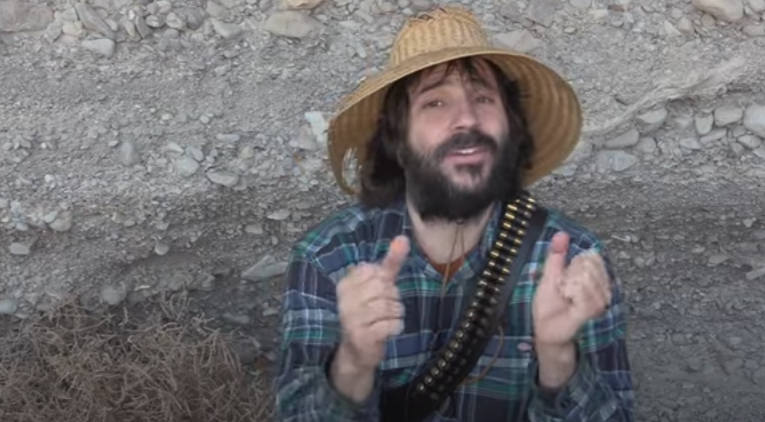
The video opens with an observation about the increasingly charged political climate, where public trust in institutions has eroded. The creator frames the issue with urgency, suggesting that what seems like a local scandal could reflect a broader national pattern one where surveillance, justice, and digital truth collide.
🧠 Expert Perspectives and Technical Forensics
Rather than relying on speculation, the video leans into expert insights from digital analysts and forensic video specialists. These professionals point out strange inconsistencies in bodycam and dashcam footage, such as frame duplication, unnatural transitions, and suspicious audio-video desynchronization.
From a technical perspective, these are not easily dismissed as glitches. The analysis raises serious concerns about whether key segments of video have been edited, altered, or replaced entirely suggesting a pattern that demands further scrutiny.
🔍 Searching for Patterns in the Chaos
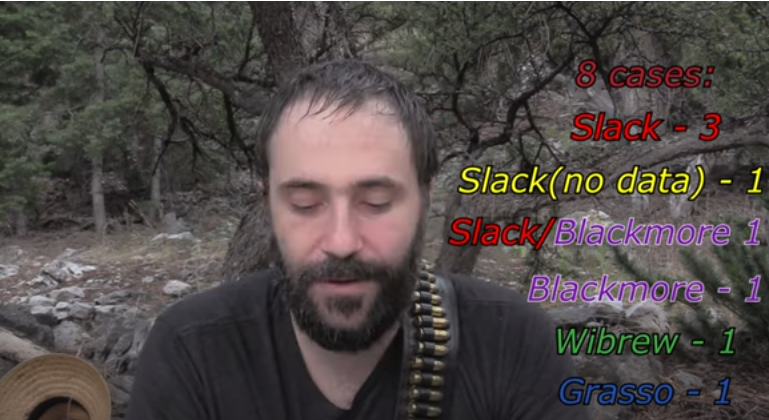
As the investigation deepens, the focus turns to finding other examples of questionable footage. The creator scours public data and archived files in search of more anomalies. What emerges is a trail of discrepancies segments where audio cuts off too quickly, footage skips, or visual timestamps seem mismatched.
Though no definitive proof is offered, the repeated irregularities suggest this may be more than coincidence.
🧪 A Logical, Methodical Approach
Rather than sensationalizing, the video introduces a structured analytical method to review the footage. This includes frame-by-frame playback, metadata tracking, and file integrity testing. The goal is to separate paranoia from evidence by applying logic, science, and digital literacy.
This structured approach strengthens the creator’s credibility and offers viewers tools they can use to critically examine digital media in their own communities.
🧍 Body Language and Behavioral Analysis
Adding another layer, the creator analyzes officer behavior and body language captured on video. In several instances, the physical actions of individuals appear slightly “off” in relation to the audio, raising further suspicion that these tapes may have been manipulated.
While body language analysis isn’t conclusive proof on its own, it provides useful context when paired with technical evidence.
🔧 Proposing a New Framework for Public Oversight
Beyond just exposing potential problems, the video suggests proactive steps. These include building platforms for citizens to submit footage, perform independent analysis, and verify file authenticity. It’s a call for a digital watchdog model, rooted in transparency and civic responsibility.
⚔️ One Voice Against the Machine
The video closes on a personal note, with the creator positioning themselves as a lone voice taking on a flawed system. They stress that the goal isn’t to villainize law enforcement, but to demand accountability in an age where digital evidence can be manipulated with ease.
📢 Final Thoughts
This is more than a conspiracy expose it’s a well researched, emotionally charged exploration of what happens when truth becomes editable. Whether the allegations are ultimately proven or not, the video serves as a wake-up call: in the digital age, believing what we see requires more effort than ever before.
Watch it here : https://youtu.be/EiO2Wkze-bI