Traditional German folk songs are not just music. They are a reflection of place, memory, and shared life. These songs feel as if they rise directly from the land itself. You can almost hear the Alps in the long notes, the Rhine in the flowing melodies, and the forests in the gentle rhythm. Each tune carries the mood of villages, valleys, and mountain paths shaped by centuries of daily living.
Music Made for Togetherness
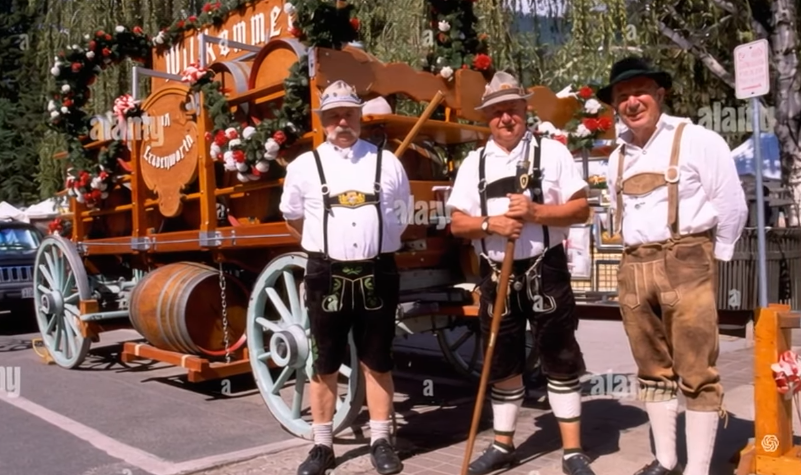
A defining feature of German folk songs is how communal they are. They were never meant to be performed only on a stage. Instead, they belong in warm rooms, small inns, festivals, and open fields. Instruments like the accordion, zither, and violin give the music a familiar and welcoming sound. The melodies are simple, and the refrains are easy to remember, making it natural for everyone to join in. Singing together is the goal, not perfection.
Stories of Home and Journey
The lyrics often focus on themes close to the heart. Homeland, friendship, wandering, and nature appear again and again. Many songs tell stories of young travelers on mountain roads, peaceful evenings after long days, and the deep emotional bond to one’s region. Places like Bavaria, Swabia, and Tyrol are not just locations but identities shaped by tradition and memory. These songs preserve everyday emotions that written history often forgets.
Joy Rooted in Tradition
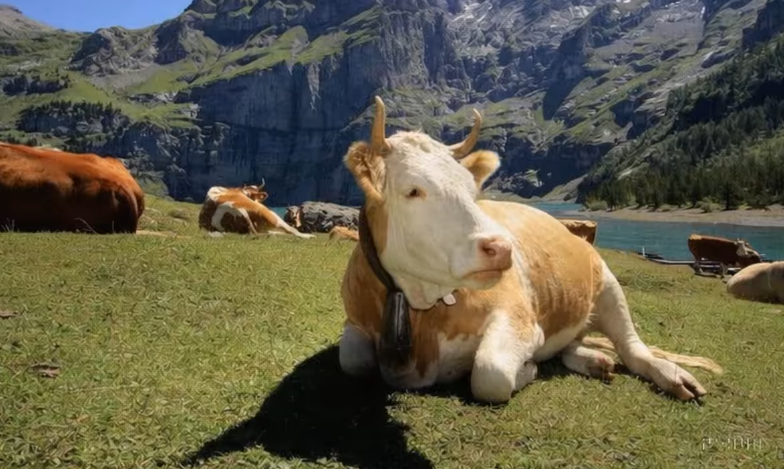
Traditional German songs can be slow and thoughtful or lively and playful, but they always feel sincere. At festivals or gatherings, they create an atmosphere of joy and unity. People of all ages sing the same words their grandparents once sang. That continuity gives the music its power. It connects generations without needing explanation.
Why These Songs Still Matter
In a fast-moving modern world, folk music offers something steady. It reminds listeners of belonging, shared experience, and cultural roots. Even in a short video, the warmth and life in these songs come through clearly. They are not just performances but living traditions that continue to bring people together.
Traditional German folk songs remain relevant because they are human at their core. Simple melodies, meaningful words, and collective voices turn music into memory. That is why they still resonate today.